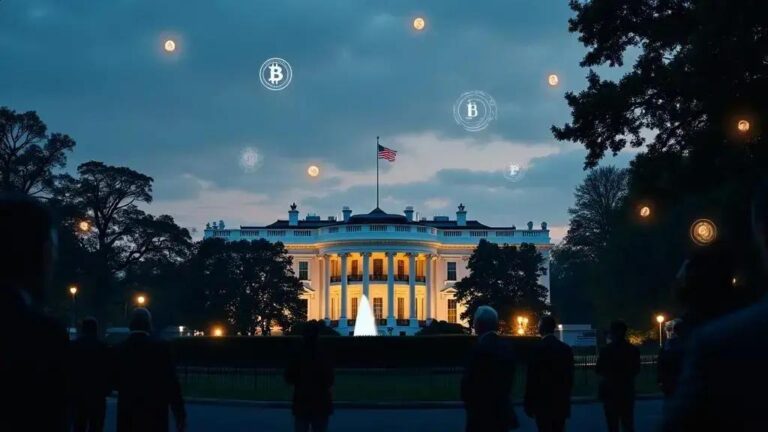

Trump crypto accusations are shaking Washington — could the White House have become a channel for family profits via token sales and weakened oversight? This report lays out the claims, the numbers, and why lawmakers are calling for investigations.
Allegations and evidence from the House Judiciary report
Trump crypto claims in the House Judiciary report focus on token sales tied to family associates. The report says payments and favors may have flowed through the White House. It raises concerns about blurred lines between public office and private gain.
Key Allegations
The report lists several claims backed by documents and sworn testimony. It says family members and close associates promoted tokens and got paid. It notes use of official events to boost coin launches and visibility. It points to advisers coordinating with outside crypto firms and investors.
- Tokens sold to investors after mentions linked to the White House.
- Paid endorsements and consulting deals with family-connected entities.
- Use of official access to influence token value and timing.
Documentary Evidence
Investigators reviewed emails, calendars, and payment records. They found transaction logs tied to token sales and transfers. The report includes contracts and internal messages that show coordination. Some documents show timing between White House actions and coin price spikes.
There are also receipts, invoices, and bank records cited in the report. Redacted pages reveal meetings and introductions with crypto promoters. These records form the backbone of the written evidence.
Witness Statements and Financial Estimates
Former aides and insiders gave sworn statements about meetings and requests. They described introductions between officials, family members, and crypto promoters. Witnesses reported efforts to arrange partnerships and promotion timing.

The report offers rough financial estimates tied to token sales and fees. These numbers come from blockchain records, transaction reports, and witness accounts. The estimates vary and include caveats about uncertainty.
Memecoins are mentioned as high-risk, hype-driven tokens that can surge fast. The report links some memecoin gains to marketing and endorsements tied to the family. That link is based on timing, messages, and moving funds rather than a single silver-bullet document.
Estimated financial gains from token sales and memecoins
Trump crypto estimates in the report try to measure token sales tied to associates.
How estimates were calculated
Investigators traced on-chain transactions to linked wallets, exchanges, and known service providers.
They also matched documents such as emails, invoices, contracts, and bank records.
Blockchain data shows token flows, but interpreting those flows is often tricky.
Limits and uncertainties
Many wallets are pseudonymous and can be hard to link to real people.
Mixers, shell companies, and private deals can hide actual money movements at times.
So estimates come with big caveats and a wide range of possible totals.
Memecoins and quick gains
Memecoins are social, hype-driven tokens often tied to jokes, celebrities, or trends.
They can jump in price very fast after a public shoutout or event.
The report links some memecoin spikes to promotion, timing, and coordinated outreach.
Investigators flagged consulting fees, paid endorsements, equity deals, and token sale proceeds.
Estimating exact gains is hard, but the report suggests sizable, plausible returns.
Those returns may include direct sales, market moves, and fees or equity stakes.
Numbers vary a lot and depend on assumptions, redactions, and missing information.
Careful audits and more records would narrow estimates and better clarify any links.
Regulatory gaps and national security concerns raised by lawmakers
Trump crypto revelations highlighted gaps in rules that oversee presidential conduct.
Regulatory gaps
Lawmakers say current crypto rules are patchy and often slow to act.
Agencies like the SEC and Treasury share duties but lack clear crypto rules.
No single office watches political ties, family business, or token sales closely.
National security concerns
Lawmakers warn that weak rules can open doors to foreign influence in crypto.
Cryptocurrencies can move value across borders fast, which complicates sanctions and oversight.
Investors tied to foreign actors might use tokens to hide payments or launder funds.
That risk could affect national safety and touch sensitive government work.
What lawmakers want
They’ve called for clearer rules, better tracking, and faster enforcement on crypto deals.
Some want ethics rules that cover family business and public office ties.
Others seek tighter vetting of advisers and audit power over token sales.
More records, subpoenas, and audits could reduce unknowns and show real money flows.
Fonte: Bitcoinist.com